
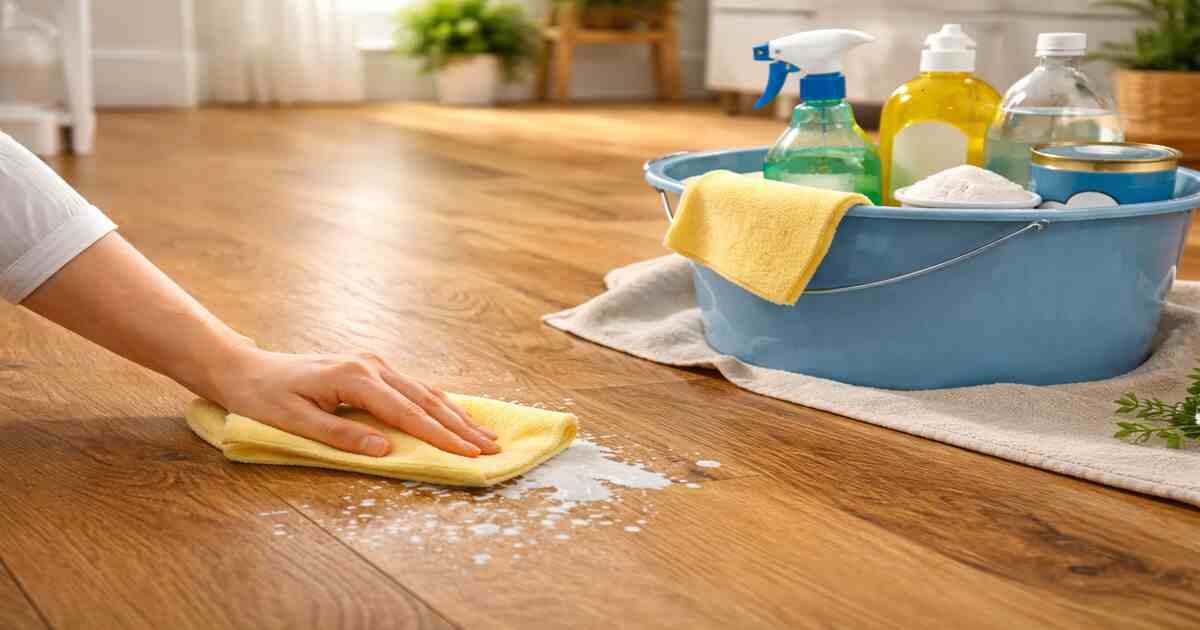
Did paint turn your hardwood floor into a crime scene? Relax, but not too much; this needs precision, not panic. Paint removal fails when people rub aggressively, pick the wrong chemicals, or scratch the finish permanently. A fragile layer of top protection is applied onto hardwood floors and may be worn out more quickly than the paint it covers. It is not only about taking away the paint, but retaining the shine of the floor, its texture, and its strength.
Paint can be lifted with a combination of proper timing, light methods, and the correct materials, and this will not dull or scar the surface. The guide concentrates on procedures that are not only controlled but also applicable in the normal household environment. So that you can remedy the situation without disrupting your hardwood floor and making it so attractive.
1. Water vs Oil Paint
Paint type decides your removal method for professional cleaning. Water-based paint stays on the surface and dries faster. Oil paint bonds harder and needs stronger action. Most amateurs treat both the same wrong move. Pros test the paint behavior, not just the color.
Example: If it softens with warm water, it’s water paint. If it doesn’t stick to water, it’s oil paint. This principle saves you from experimenting randomly. Paint removal is about matching solvent strength to paint strength. Never attack blind.
2. Gently Scrape Dry
Scrape gently with plastic, avoiding metal to prevent damage. The aim is to lift, not dig. Pros scrape flat, not downward. Keep the angle low. Example checklist:
- Use plastic putty knife
- Keep hand pressure light
- Work parallel to the wood grain
- Stop if resistance feels high
If paint doesn’t lift easily, move to the softening step. Don’t fight it. Smart scraping reduces surface load before chemicals enter the game.
3. Warm Soap Wipe for Fresh Paint
Fresh paint needs warmth and gentle soap, not harsh chemicals. Wipe gently. Keep strokes short and controlled. Dry area after, a method commonly followed in professional bond cleaning. This works because heat loosens paint bonds, so soap breaks surface tension. Slow wiping beats fast scrubbing.
Example: if you rub fast, friction burns finish and spread paint residue. Pros do cause first, comfort later. Keep clothes clean and change sections often. A clean tool prevents streaks. Short motions, clean results. No drama.
4. Alcohol Rub Solution
This is a safe, finish-friendly option for dried water paint.
- Dampen a cloth with rubbing alcohol
- This is a safe, finish-friendly option for dried water pain
- Wet a cloth using rubbing alcohol
- Dab it on the stain for 20 seconds
- Wipe in short strokes
- Dry immediately
Why it works: Alcohol evaporates fast and softens surface paint without soaking wood. There’s a difference between speed and moisture. Alcohol is better because it’s fast and low-moisture. Example: don’t pour directly on the floor; always use a cloth. Pros never flood wood. Controlled moisture wins the long game.
5. Citrus Cleaner for Medium Stubborn Paint
Citrus-based cleaners soften paint safely without attacking the finish harshly. Spray on cloth, press on paint, wipe gently. This works because citrus oils dissolve surface paint bonds without soaking wood. Slight oily residue risk if not wiped fully. Pros finish by wiping the area with mild soap and drying. Example: Apply, soften, wipe, finish with soap, and then dry. Pros love layered solvents, not nuclear options. Keep motions short. Short strokes avoid finish swirl marks. Consistency greater than intensity.
6. Avoid the Sandpaper Trap
Never use sandpaper on finished hardwood. It removes paint but also removes the finish permanently. That means refinishing cost, time loss, and credibility damage. Pros know this rule is like religion. Set your ego aside and focus on getting the floor clean. Example: paint removal should be reversible; finish removal is not. Bullet plan for safety:
- No sandpaper
- No steel wool
- No bleach
- No long soaking
If a tool or chemical can scratch or strip a finish, reject it instantly. Precision matters more than power. Cleaners should solve the problem, not damage it.
7. Acetone Only for Emergency Oil Paint
Acetone is risky but can work for oil paint if used sparingly. Pros treat it like a scalpel.
- Apply to a cotton bud, not a cloth
- Dab paint spot only
- Wipe with a soap cloth
- Dry fast
Why it works: Acetone dissolves oil paint fast. Risk: It can dull the shine if overused. The main difference is speed and paint safety. Use it sparingly, not extensively. Example: Dab, lift, apply soap, and then dry. Never rub aggressively. Professionals stop instantly if the finish looks cloudy. When in doubt, reject or reduce solvent strength. Always end with proof of cleanness, not fragrance masking.
8. Neutralize the Spot
Finish every paint removal with a neutralizing wipe. Mild soap water on a cloth, wipe the area, and dry immediately. This resets residue from solvents, citrus oils, or alcohol. The principle is cause removal first, residue removal last. An extra 30 seconds saves credibility for years. Example: Wipe, inspect under light, dry, with no masking smells or flooding. This keeps hardwood healthy, shiny, and dispute-proof.
Conclusion
Paint removal from hardwood is not about emotional effort. It’s about expert cleaning, matching solvent strength to paint type, scraping gently, controlling moisture, and documenting results. Follow the layered system, and you protect the finish, the wood, and your credibility. Hardwood floors are expensive, your time is expensive, and mistakes here are not reversible. Do cause first, comfort last, and proof always. This is house cleaning logic that works. It also plays a key role when you clean a messy home and want safe, damage-free results.