
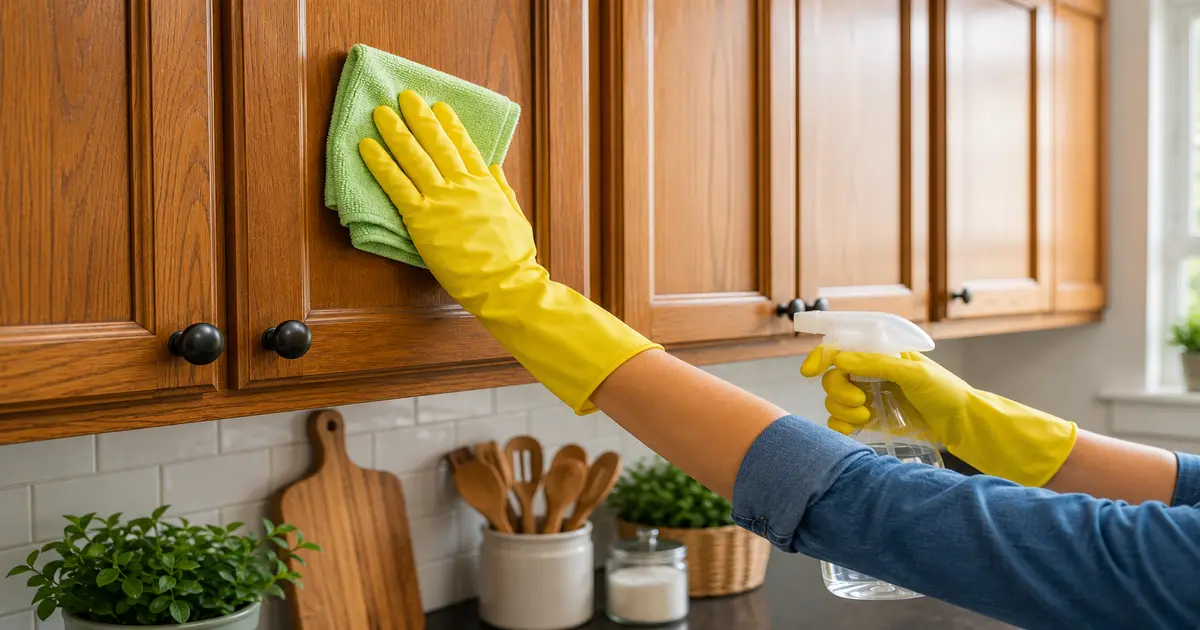
Cabinet Cleaning Hacks For Spotless Kitchen Care
Have the cabinets in your kitchen been looking dull even with regular wiping and with the daily cleaning routines you follow at home nowadays? Sticky fingerprints, dusty corners, and grease buildup seem to come faster than you think in the home of a daily cook. Basic routines and savvy products can transform your kitchen without requiring too much work, cleaning up your act while saving you some effort, cleaning time, and energy. You’ll find tips, tricks & products to help you clean cabinets in such a way that your cabinets stay cleaner longer, and your kitchen stays cleaner, brighter, healthier & more inviting for your family or unexpected guests.
1. Start With Dry Dusting
Outcome the crumbs when you give the cabinet insides a good jiggle first. Soft microfiber rags do fine on shelves most days, though their true talent shows up while scrubbing wooden fronts. The reason for dusting without water is to avoid the spread of soil, and, at the same time, it makes it easier to thoroughly remove dirt when deep cleaning cabinets. Be mostly vigilant of upper corners, where dust can silently accumulate for a long time, so that you can spot the problem areas and wipe them up effectively. Most of the time, a dry wipe every week is sufficient for maintaining the appearance and hygiene of your kitchen cabinets and also helps to prevent the accumulation of heavy grease, mainly around the cabinet handles, which are the most frequently touched, from building up.
2. Use Gentle Cleaning Solutions
Potent chemicals may cause harm to the cabinet finish, and they can make the surfaces appear dull, rough, or dry, as they experience many cleansings in a busy household. Simple dishwashing liquid and warm water are a great mild cleaner for the majority of wooden, painted and laminate kitchen cupboards. Dipping a soft cloth in the solution is the way to go when you want to clean. Then softly wipe the cabinet surfaces without letting the water underneath the material run as you clean. This solitary step will teach you how to clean kitchen cabinets in a safe way without causing any harm or scratches to the beautiful finishes or risking the cabinets turning yellow or warping due to excessive moisture.
3. Remove Grease With Vinegar
The fats that come from frying are deposited on the cabinet surfaces one layer at a time, turning the wood into a sticky substance that’s quite hard to take off unless you use the right cleaning methods. Warm water and white vinegar help to get rid of the greasy deposit naturally and at the same time make kitchen cabinets look cleaner, smell fresher, and be easier to keep up every week. Just spray a little on greasy patches and then softly wipe with a microfibre cloth to get a smooth and shining effect on your cabinets. This basic cleaning tip improves kitchen cabinet maintenance and, at the same time, enables homeowners to avoid paying for chemical-laden cleaning products.
4. Clean Handles Separately
Fingertips, cooking grease, and bacteria accumulate on cabinet handles very quickly as they are touched repeatedly by family members during every busy routine of cooking and cleaning. Remove removable handles from time to time and clean them separately in warm water with mild soap in order to get better cleaning results at home. Use small brushes. Pay attention around the edges of the handle, as dirt may be hiding in the tiny corners and go unnoticed during the quick daily kitchen cleaning sessions! Instantly brighten your kitchen by cleaning your cabinet handles, and enjoy the benefits of a healthier, more efficient kitchen cabinet maintenance routine that everyone in your home will love!
5. Avoid Excess Water Usage
A lot of water is happily sprayed about a kitchen when people clean their cabinets, and what homeowners don’t realise is that this can contribute to wood swelling, peeling paint, and even surface damage. They don’t realise that over time, indoors. A bit of damp beats a soaked rag when wiping down kitchen cabinets. Try gentle wetness instead of drenching them each time you clean. Most spills lift just fine without excess water. Too much moisture might seep into seams where it shouldn’t go. Stick to barely-wet fabric for regular upkeep. That way, wood stays safe and finishes last longer. Always dry immediately.
6. Use Baking Soda Paste
After months of exposure to cooking, some cabinets get really difficult to clean, mainly those near stoves, sinks, and other areas where food is prepared in kitchens. Actually, a small amount of water combined with a few tablespoons of baking soda is enough to make a paste that can get rid of even the hardest grime, and that also won’t harm the surfaces of your cabinets. Haze away: Using a soft cloth, tap paste gently on the stained area and before a very light rub, then run warm water to rinse it all off. This super-cheap cleaning hack will come in handy not only to clean your kitchen cabinets but also to revive and brighten them, without having you shell out money on fancy professional cleaning products on the reg.
7. Focus On Cabinet Corners
Since these spots can be neglected in the quick clean that most people do at home, the corners of cabinets become a gathering place for crumbs, grease, and dust. Most cloths miss tight spots when wiping down kitchen areas. Try using a tiny toothbrush or fine detail tool to reach into cabinet crevices instead. Odours fade when those hidden spaces stay clear. Hitting every corner often keeps things hygienic without extra effort.
Safety rises naturally when dust and gunk have nowhere to hide. Professional bond cleaners also focus carefully on these hidden cabinet corners every time to maintain cleaner, healthier, and longer-lasting kitchen spaces. Keeping your kitchen essentials and your household finances in one well-arranged place. Honestly, when you’re trying to clean kitchen cabinets to make them look good for the short term and last as long as possible, those little things really matter, and they can make all the difference!
8. Protect Cabinets From Grease
Grease build-up in the kitchen is a major cause of dirty cabinets. Besides turning your cabinets dull and dirty, cleaning up after cooking could be tiresome. During cooking, keep kitchen exhaust fans running; airborne grease particles hang around on different surfaces, including cabinets. Grease spots on cabinets from fresh splashes will get sticky, dark, and harder to remove with normal cleaning supplies if not wiped right away. Besides the cabinets getting maintained with preventive habits, it will also lead to fewer instances of deep cleaning for families who have to juggle many household chores weekly.
9. Organise Cabinets Regularly
Dust accumulates faster on cluttered cabinets as the shelves get so tightly packed that not enough air can circulate, and homeowners won’t be cleaning thoroughly in between their usual maintenance routines. Clear out your kitchen and throw away or donate the things that you don’t use to make shelf organising a little bit easier, with items being kept not only handy but also clean and ready for cooking sessions that have less stress, even on your everyday. It’s necessary to remove crumbs after you have put all the items back on the shelves, as they often conceal themselves and you probably will not see them beneath your kitchenware that is stored.
10. Try Natural Fresheners Inside
Sometimes, kitchen cabinets can smell musty due to humidity or old food boxes, and since they are closed up in a space without any ventilation. Just put some small bowls filled with baking soda in the cabinet, as baking soda is a natural odour absorber, and what’s more, it doesn’t have any artificial fragrance or chemicals. Dried lemon peels also make for a fresher-smelling cabinet while imparting a nice whiff of natural citrus to kitchens without the need for costly air freshener products every day indoors. Smell inside the cabinets once in a while. Freshness hiding behind those doors often shows things are truly clean. A kitchen that smells right usually keeps food safer.
Maintain Weekly Cleaning Routines
A cabinet stays clearer when touched often, almost like it remembers being new. Besides this, it will also make the cabinets easier to maintain, even when the different seasons of the household come and go. Understanding how to wash kitchen cabinets regularly helps homeowners avoid expensive repairs while protecting beautiful kitchen surfaces from unnecessary wear completely. Also, many homeowners now understand why eco-friendly cleaningservices are a health necessity, especially when maintaining cleaner and safer kitchen spaces for families every day. Also, clean and beautiful kitchen cabinets are less subject to intentional wear and tear. Besides, good practices lead to healthier kitchens and greatly improve the care of kitchen cabinets in every home that not only wants to be clean and comfortable but also hopes for the long-lasting beauty of their kitchen cabinets.